SET Plan 2026: From shared ambition to shared commitment
Share this page
By Spyridon Pantelis, Project Manager, EERA
Applause could be heard from the room where the SET Plan Steering Group was meeting. The Common Strategic Vision had just been approved, bringing together the Thematic Visions developed by its Implementation Working Groups. It was a moment worth celebrating. And, as Commissioner Ekaterina Zaharieva emphasised at the opening of the SET Plan Conference, that shared direction opens the way to the next stage: investment, manufacturing and deployment at scale. The compass is set; now comes the work of moving forward together.
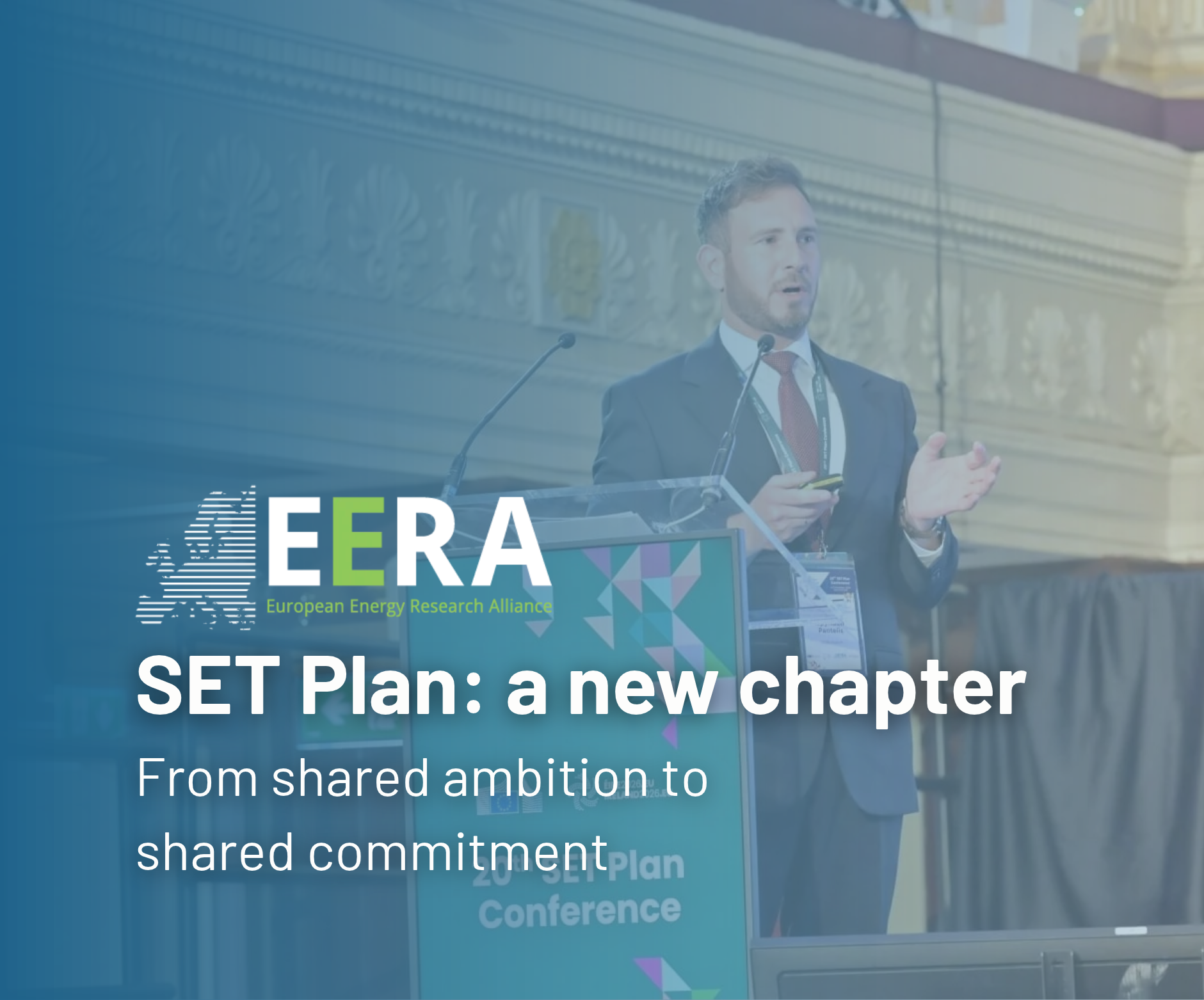
Held in Cork during Ireland’s Presidency of the Council of the EU, the 20th SET Plan Conference was a celebration of everything this community has built together over the years, and an opportunity to consider what comes next. With more than 400 participants, attendance reached a record high, surpassing every previous edition. For EERA, this milestone edition held particular significance: we helped shape the discussions both on the high-level panels and by co-organising and facilitating a new dialogue between the SET Plan community and investors.
The BATT4EU partnership, whose conception was supported by discussions within the SET Plan community, is one of many tangible examples of what this community has helped build together. The panels in Cork brought that collaborative spirit to life, reminding us what access to one another’s expertise, facilities and networks makes possible. Behind each achievement are people who found common ground and built something together.
There was particular significance in hearing from one of the SET Plan’s original architects, Andris Piebalgs, who was European Commissioner for Energy when it was conceived. His presence brought the conversation back to the spark that started it all. He reminded the audience that the SET Plan had changed the direction of energy policy by placing research and innovation at its centre. Its diversity, he argued, is a strength. Pooling resources creates value, and Europe’s human resources matter just as much as its financial ones. Hearing that ambition recalled by someone who helped shape it gave particular weight to the question: how far have we delivered on it?
The discussions in Cork offered both reasons for confidence and a clear view of the work still ahead. Europe’s research strengths do not consistently translate into industrial deployment. Promising technologies face gaps in funding, uncertain demand and difficulties moving from demonstration to production. Even established technologies need continued innovation. A strong research ecosystem gives Europe a foundation; turning that foundation into lasting economic and societal benefits requires sustained effort.
Helping address these barriers was the purpose of the Investors’ Dialogue that EERA co-organised on3 November with the European Commission and the ETIPs Forum, which EERA co-coordinates. The workshop brought investors together with Implementation Working Group and ETIP chairs and representatives of the EERA community, including two members of our Presidency. EERA helped facilitate the exchange, connecting research priorities with investors’ perspectives on what makes deployment possible.
Bringing different technologies and investor perspectives into one discussion was a demanding exercise. Its value lay in the questions it prompted: who will use a research result, what value will it create, and what will it take to bring it to market? These questions belong in the development of research and innovation roadmaps. Investors staying on for the conference was an encouraging sign. At EERA, we see this dialogue as the beginning of a continuing relationship, with research actors facilitating collaboration between investors, policymakers and industry.
Closer engagement with investors must go hand in hand with clear public funding priorities. Negotiations on the EU’s next long-term budget therefore give these discussions particular significance, shaping future support for clean technologies and collaborative research. Strong Member State participation in Cork, including countries less involved in the past, was encouraging. The next step is to turn that engagement into aligned priorities and commitments at national and European levels.
That need for alignment extends across the energy system itself. EERA President Henk-Jan Vink and Secretary General Adel El Gammal brought a consistent message to the high-level panels: we must look at the energy system as a whole. Technologies, infrastructures and energy uses need to work together. So do the programmes and institutions supporting them. Progress depends as much on the connections between the pieces as on the strength of each piece. EERA’s role in reducing fragmentation means connecting expertise across technologies and countries, while helping maintain continuity between research and commercialisation.
The next stage of the SET Plan will put that coordination into practice. Each Implementation Working Group has delivered its Common Thematic Vision and Strategic Research and Innovation Agenda (SRIA), with the involvement of all relevant EERA Joint Programmes. The third and most challenging deliverable now lies ahead: the Implementation and Investment Commitments. This exercise takes most SET Plan actors into uncharted waters, raising the bar for everyone involved. With a shared sense of urgency to strengthen Europe’s competitiveness and advance the energy transition through electrification, the EERA community will support this effort to the best of its capacity.
Looking back on the three days, I return to the applause from the Steering Group room. It celebrated a milestone and signalled the opening of a new chapter. The SET Plan must respond to Europe’s changing needs while continuing to bring people together around a common purpose. The strength of what follows will depend on what we commit to, and what we achieve together.
That was the ambition from the beginning, wasn’t it, Mr Piebalgs?
Login as an EERA member
In case you are an EERA member and don’t have login details, please contact secretariat@eera-set.eu
Join EERA
You are not an EERA member yet? Then you are missing out on a lot!
EERA gathers the best energy researchers and infrastructures in the whole of Europe
EERA makes your voice heard in the political discussions at the European level
EERA offers great networking opportunities with peers from your discipline - and others