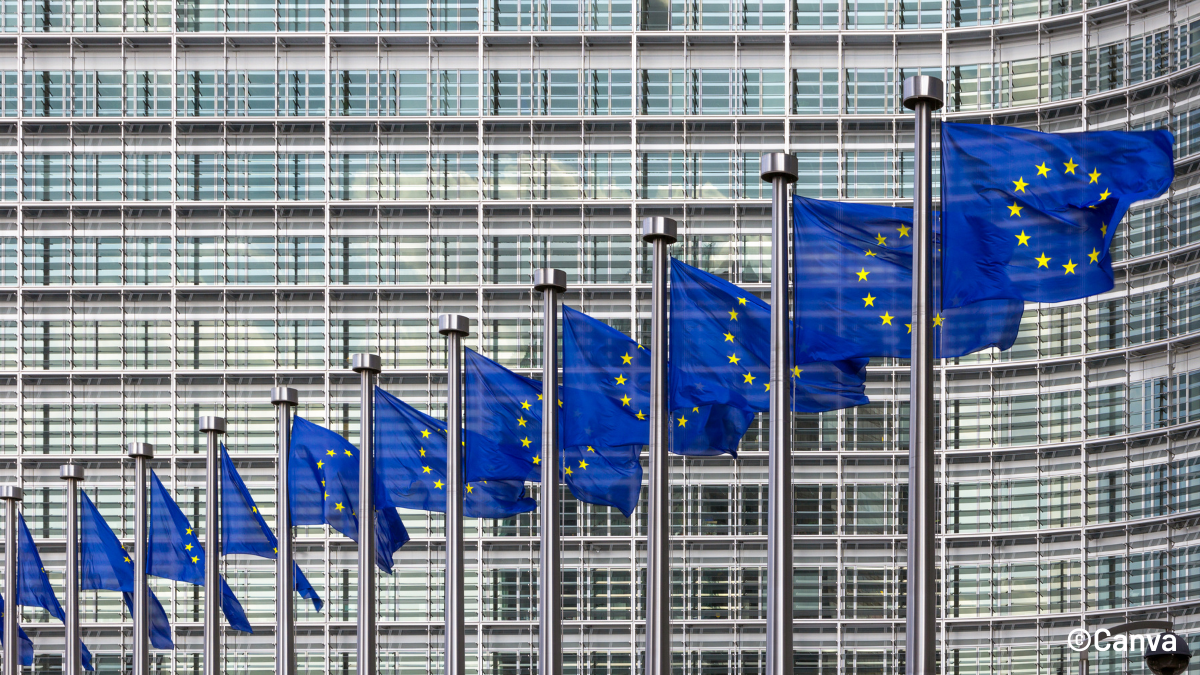
2026 EU Single Market and Competitiveness Report flags persistent R&D gaps and strategic risks in the clean energy transition
Share this page
by Rosita Zilli, Policy Director, and Marianne Lazarovici, Policy Officer
On 30 January, the European Commission presented its Annual Single Market and Competitiveness Report for the sixth consecutive year. The publication assesses the functioning of the EU Single Market and EU competitiveness across 29 key performance indicators (KPIs). Despite the strong emphasis placed by the Commission on Single Market integration and competitiveness following the landmark Letta and Draghi reports, the analysis shows little overall progress compared with 2023: around half of the KPIs remained unchanged, while the remainder were roughly evenly split between improvement and deterioration.
The report finds that Single Market integration has reached a plateau in terms of trade between Member States. Labour productivity remains high but continues to lag behind the United States, largely due to gaps in the production and adoption of digital technologies. Fragmented national rules, administrative burdens, persistent barriers, and complex procedures for recognising skills and qualifications constrain the Single Market’s full potential. For example, the average time to establish new industrial standards—which define common technical specifications to ensure interoperability, safety, and market efficiency—has increased over the past decade, now taking four years. These delays also restrict the EU’s ability to promote circular economic practices, as slower approval processes can hinder the adoption of more sustainable production methods. At the same time, the report notes that recent simplification efforts, including the Omnibus packages and digitalisation initiatives, may gradually ease these constraints.
Innovation, a key component of competitiveness, continues to face challenges. In 2024, the EU spent 2.24% of its GDP on research and development (R&D), slightly below the 2.26% recorded in 2023 and still below the EU target of 3% by 2030, highlighting a persistent investment gap. Patent applications per million inhabitants also declined slightly, from 153 in 2023 to 152 in 2024. Shortages of occupations requiring green transition skills reported by at least five Member States rose to 25 in 2024, up from 13 in 2023, signalling widening skills gaps across the Union. Student performance in science, measured by the OECD PISA assessments—a benchmark of educational outcomes across countries—also declined, raising concerns about the future workforce. While the adoption of digital technologies such as artificial intelligence, data analytics, and cloud computing is improving, progress remains too slow to keep pace with global competition.
Progress on the clean energy transition remains uneven. Investments supporting the industrial transition via InvestEU rose significantly, from €52.7 billion in 2024 to €115.5 billion in 2025, reflecting efforts to align industry with climate and energy objectives. However, electricity prices for non-household consumers remain high compared with the United States (€0.164 per kWh in 2024 up from €0.163 in 2023), and the share of electricity in final energy consumption stagnated at 22.9%, well below the 32% target for 2030. Renewable energy generation in final consumption increased only marginally, from 24.5% in 2023 to 25.2% in 2024, against a 42.5% target, while renewable electricity generation capacity added 68 GW in 2024, slightly above 67 GW in 2023 but still below the annual 100 GW required to meet EU climate and energy goals.
A new indicator introduced in the report tracks EU progress under the Net-Zero Industry Act (NZIA), measuring domestic manufacturing of 27 strategic clean technologies, with the aim of meeting 40% of EU consumption through internal production. To date, this target has been met in only six areas, while the EU continues to rely heavily on imports for battery components, electrolysers, and solar technologies, among others. More than half of the bloc’s supply dependencies still originate from China, highlighting persistent vulnerabilities. Recycling rates remain low: although nearly 38% of electrical and electronic waste is collected in the EU, less than 1% of rare earth elements are currently recycled. Overall, the External Vulnerability Index (EXVI) for strategically important industrial products stood at 0.20 in 2023, slightly up from 0.19 in 2022, signalling growing exposure to external risks.
Against this challenging backdrop, EERA’s role in advocating a swift and efficient clean energy transition, grounded in research, science, and evidence-based policies, is more crucial than ever, providing the EU with a strategic lever to accelerate progress on its competitiveness, resilience, and sustainability objectives.
Login as an EERA member
In case you are an EERA member and don’t have login details, please contact secretariat@eera-set.eu
Join EERA
You are not an EERA member yet? Then you are missing out on a lot!
EERA gathers the best energy researchers and infrastructures in the whole of Europe
EERA makes your voice heard in the political discussions at the European level
EERA offers great networking opportunities with peers from your discipline - and others